


Author: aluna Analytics | Date: 18 June 2026 | Sector: Healthcare (Medical Devices & Supplies) | Recommendation: Positive / Fundamentally Supported
The initial public offering of PT Prodia Diagnostic Line Tbk, operating within the Indonesian capital markets under the proposed ticker symbol $PRDL, represents a highly structured and strategically calibrated corporate finance transaction designed to transition a specialized medical device manufacturer into a publicly traded entity. The comprehensive chronological timeline commences with the bookbuilding period, formally scheduled to run from June 18, 2026, through June 23, 2026.
Following the anticipated receipt of the definitive effective statement from the Financial Services Authority (OJK) on June 29, 2026, the public offering period is slated to open on July 1, 2026, and conclude on July 7, 2026. The final allotment of the offered shares will be executed on the same day, immediately preceding the electronic distribution of the equity securities via KSEI on July 8, 2026. The capitalization sequence will culminate in the inaugural listing on the main board of the Indonesia Stock Exchange (IDX) on July 9, 2026.
The fundamental structural parameters dictate the issuance of a maximum of 522,900,000 new ordinary shares. These newly minted securities represent precisely 30.00% of the issued and fully paid-up capital post-IPO, bringing the total outstanding shares to 1,742,900,000. To determine the ultimate market clearing price, the syndicate has established an indicative bookbuilding range between Rp100 and Rp120 per share, targeting gross proceeds from Rp52.29 billion up to Rp62.74 billion.
PRDL
PT Prodia Diagnostic Line TbkCrucially, the structural composition of this offering consists entirely of primary shares issued directly from the corporate treasury portfolio. The complete absence of secondary shares offered by legacy stakeholders confirms that the transaction functions exclusively as a primary capital formation event intended for corporate optimization, rather than serving as a liquidity extraction mechanism for the founding institutional shareholders.
Concurrently integrated with the primary equity offering, management has implemented a formalized Employee Stock Allocation (ESA) program. The regulatory filing permits the allocation of up to 36,603,000 shares (7.00% of the public offering) for this initiative. Furthermore, the transaction architecture explicitly excludes the issuance of warrants, convertible debt, or any other complex derivative instruments, thereby preventing the creation of latent supply overhangs or multi-stage dilutive scenarios for incoming participants.
Disclaimer: This research report is produced by aluna Analytics for informational and educational purposes only. It does not constitute a recommendation to buy or sell any securities. Market data is analyzed as of June 18, 2026. Investors should conduct their own due diligence and consult with a certified financial advisor before making investment decisions.
Strategic Capital Allocation and Utilization of Proceeds
The strategic rationale underpinning this capital raising event is clearly illuminated by the planned utilization of the gross proceeds. The company has meticulously delineated its capital allocation strategy into three primary tranches, reflecting a highly defensive, balance-sheet-focused corporate finance agenda.
| Allocation Category | Percentage of Net Proceeds | Strategic Purpose and Intended Deployment |
|---|---|---|
| Debt Deleveraging | 56.84% | Irrevocably earmarked for the comprehensive repayment of long-term commercial banking facilities to PT Bank Central Asia Tbk and PT Bank Pan Indonesia Tbk. |
| Capital Expenditure | 28.92% | Procurement of sophisticated metrology machinery, specialized operational vehicles, system software, and Air Handling Units for the Biomolecular Laboratory. |
| Operational Working Capital | 8.51% | Liquidity buffer to fund continuous product R&D, ongoing procurement of essential raw materials, and targeted sales and marketing campaigns. |
The largest portion of the capital raise, representing an absolute sum of Rp35.66 billion (approximately 56.84%), is specifically engineered to aggressively deleverage the corporate balance sheet. By extinguishing these burdensome interest obligations, the primary character of the transaction is designed to systematically enhance net profit margins and de-risk the enterprise.
The second tranche, constituting 28.92%, encompasses the strategic procurement of critical production infrastructure. The specific capital expenditure allocation targeting the biomolecular laboratory indicates a calculated strategic pivot designed to capture high-margin, specialized diagnostic market segments—an essential maneuver intended to compensate for the broader post-pandemic volume normalization.
The remaining 8.51% of the capital raise will be channeled into working capital reserves. This liquidity is crucial given the enterprise’s reliance on imported biochemical inputs, which are subject to foreign exchange fluctuations. By utilizing the vast majority of incoming capital for debt extinction and targeted infrastructure, rather than aggressive capacity expansion, the strategy actively limits immediate revenue multipliers but significantly insulates the equity against broader interest rate volatility.
Supply Dynamics and Ownership Incentives
Looking at the supply-demand and ownership dynamics, the structural composition of this offering provides a highly favorable analytical lens through which to assess the alignment of long-term incentives between the founders and prospective public investors. The transaction is structured exclusively as a primary capital raising event. The absolute absence of any selling shareholders is a potent signal, categorizing this IPO as a genuine corporate optimization mechanism rather than a predatory liquidity exit.
| Shareholder Entity | Pre-IPO Shares | Pre-IPO % | Post-IPO Shares | Post-IPO % | Classification |
|---|---|---|---|---|---|
| PT Prodia Utama | 622,200,000 | 51.00% | 622,200,000 | 35.70% | Controlling Shareholder |
| PT Prodia Widyahusada Tbk | 475,800,000 | 39.00% | 475,800,000 | 27.30% | Strategic Stake |
| DiaSys Diagnostic Systems GmbH | 122,000,000 | 10.00% | 122,000,000 | 7.00% | Technological Partner |
| Public Investors (inc. ESA) | 0 | 0.00% | 522,900,000 | 30.00% | Free Float |
| Total | 1,220,000,000 | 100.00% | 1,742,900,000 | 100.00% |
Prior to the public offering, the capital structure was highly concentrated and strategically distributed among three central institutional entities. Following the execution of the maximum authorized offering size, PT Prodia Utama will witness its controlling stake diluted to 35.70%. The strategic participation of PT Prodia Widyahusada Tbk will proportionally decrease to 27.30%, while the technological partnership stake held by DiaSys Diagnostic Systems GmbH will be diluted to 7.00%.
A public free float of 30.00% equates to a highly digestible effective market supply capped at Rp62.74 billion. This float architecture is optimally balanced for a micro-cap corporate entity—sufficiently tight to prevent overwhelming supply-side pressure, yet adequately broad to facilitate healthy secondary market trading volume. The continued retention of equity by DiaSys Diagnostic Systems GmbH broadcasts an ongoing, long-term commitment from an international partner, validating the operational quality of the domestic manufacturing facility.
Regulatory Lock-Up and Corporate Control Mechanics
The regulatory framework governing the restriction of share transfers is a central component in assessing near-term supply risks. The transaction is strictly bound by the provisions of Financial Services Authority Regulation No. 25/POJK.04/2017. Aggressive pre-IPO corporate actions—specifically a massive capitalization of retained earnings amounting to Rp46.0 billion executed at just Rp50 per share—trigger the full application of this regulatory constraint.
Because this transaction occurred within the critically defined six-month window prior to the regulatory filing, the entirety of the 1,220,000,000 pre-offering shares held collectively by PT Prodia Utama, PT Prodia Widyahusada Tbk, and DiaSys Diagnostic Systems GmbH are legally barred from being introduced into the secondary market for a continuous duration of eight months.
To augment these rigid statutory requirements, the ultimate individual controlling beneficiaries have executed voluntary legal declarations committing to retain control over the entity for a full twelve months post-listing. Furthermore, the shares allocated internally under the Employee Stock Allocation program are subjected to an explicitly codified twelve-month lock-up period.
The convergence of these statutory and contractual mechanisms creates a highly secure supply environment. During the critical first eight months, the absolute maximum tradable float is strictly capped at the 486,297,000 shares issued directly to the general public (excluding ESA), equating to an effective free float of just 27.90%. This architectural integrity successfully mitigates the severe risk of immediate post-listing supply dumping.
Quantitative Sentiment and Underwriter Execution Metrics
PT Sucor Sekuritas (AZ): Acting as the Lead Underwriter for the PRDL offering.
To gauge the quantitative demand and supply signals, we rely on the structural metrics derived from the aluna analytical framework. While isolated underwriter execution metrics for PT Sucor Sekuritas (AZ) are currently normalizing, the broader aggregated IPO dataset presents a highly compelling macroeconomic backdrop for PRDL’s listing.
Historical seasonality metrics indicate that July is structurally a highly favorable window for equity liquidity. The aluna heatmap_season data reveals consistent, robust positive average returns for July listings over the past three consecutive years: +18.29% in 2023, +28.22% in 2024, and +25.70% in 2025. This establishes a powerful seasonal tailwind as PRDL targets its July 9, 2026 market debut.
Furthermore, sectoral resilience data highlights an asymmetrical risk-reward profile for the Healthcare space. The sankey_resilience tracking mechanism indicates that Healthcare IPOs characterized by “Low Hype” to “Mid Hype” consistently achieve a “Growth” outcome post-listing. In 2025 alone, Healthcare IPOs demonstrated formidable capital absorption, with notable issues generating final structural returns of +82.61%, +62.50%, and +90.00%.
Aluna Analytics Insight: The aggregated quantitative data firmly supports the structural integrity of the PRDL offering. The convergence of highly favorable July seasonality, historical sector resilience in Healthcare, and the absolute absence of secondary shares creates a high-probability setup for positive post-listing performance, effectively neutralizing concerns over the lack of isolated underwriter hype metrics.
Preliminary Transaction Synthesis
Even without our standard quantitative metrics, we can form a solid preliminary IPO judgment based purely on the structural mechanics established thus far. The architectural design of this initial public offering represents a fundamentally sound and highly defensive capital raising exercise. The absolute absence of a secondary exit component strips away predatory characteristics, signaling immense internal alignment.
The lock-up framework is exceptionally robust and serves as the strongest mechanical pillar of the offering, completely neutralizing any latent supply overhang for the critical first eight months of public life. However, the articulated capital allocation actively tempers the aggressive growth narrative typically sought in micro-cap offerings. Utilizing 57% of proceeds to extinguish debt classifies this primarily as a balance sheet restructuring maneuver rather than a hyper-growth speculative asset.
Enterprise Fundamentals and Strategic Market Positioning
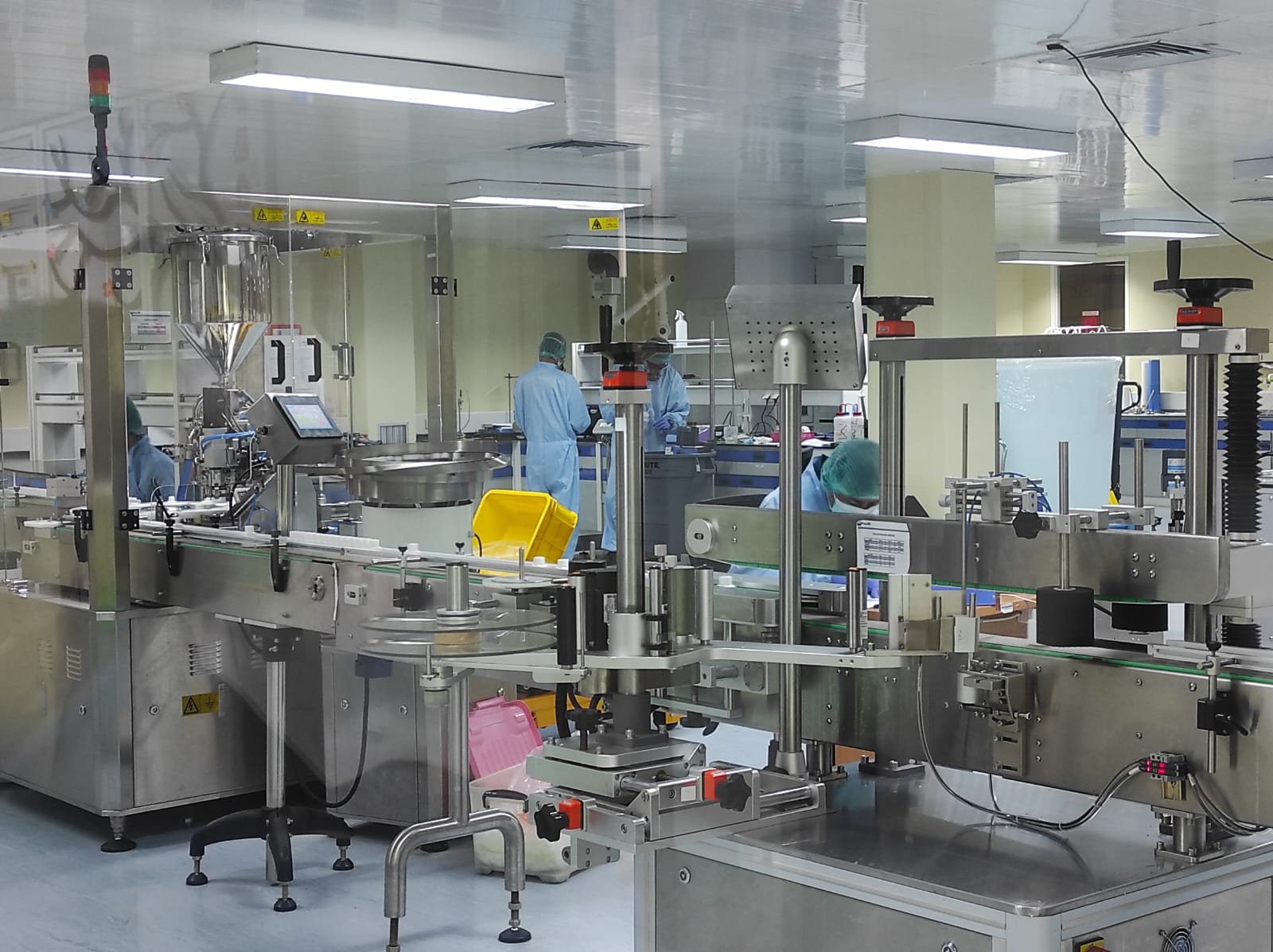
Shifting focus to the fundamental corporate analysis, PT Prodia Diagnostic Line Tbk operates as a highly specialized manufacturer deeply entrenched within the complex In Vitro Diagnostic industry. The overarching mandate encompasses the sophisticated manufacturing of medical diagnostic devices, precision production of analytical testing instruments, and rigorous calibration of critical healthcare infrastructure.
The product portfolio is segmented into distinct, high-value categories designed to meet escalating clinical pathology demands. The Clinical Chemistry division serves as the foundational revenue engine for metabolic assessments. The Hematology division focuses on specialized reagents for blood analysis, while the Immunology and Biomolecular segments produce advanced diagnostic kits and sophisticated molecular screening tools that command premium pricing profiles.
The competitive moat is anchored by a deeply integrated strategic partnership with DiaSys Diagnostic Systems GmbH, recently extended through April 2033. This international licensing agreement authorizes the domestic formulation of complex chemical reagents under strict German supervision. The unique ability to leverage elite engineering standards while manufacturing locally at a lower cost basis provides the company with a decisive structural advantage in domestic procurement tenders.
Revenue streams are aggressively bifurcated between public government entities (66.22%) and private sector clients (33.78%). While heavy reliance on public sector procurement introduces risks related to bureaucratic delays and extended cash conversion cycles, the strategic corporate integration with PT Prodia Widyahusada Tbk serves as a crucial stabilizing counterweight, guaranteeing baseline production volume through the largest network of private clinical laboratories in the archipelago.
Macroeconomic Environment and Industry Topography
The macroeconomic and industry context provides a vital backdrop against which the company’s trajectory must be evaluated. Indonesia’s massive demographic shift is characterized by an alarming rise in complex non-communicable diseases. This epidemiological transition necessitates a nationwide expansion in diagnostic laboratory infrastructure, pivoting from reactive therapeutic intervention to proactive mass preventive screening.
The central catalyst is the government’s immense fiscal commitment to modernize healthcare, reflected in a state budget expansion to Rp244.0 trillion in 2026. A highly visible component is the Free Health Check program, commanding Rp2.6 trillion in dedicated funding. The mandated screening protocols will exponentially surge national demand for clinical chemistry reagents, creating an addressable market estimated by management at Rp2.2 trillion. This is amplified by strict local content requirement (TKDN) regulations prioritizing domestic manufacturers like PRDL.
Despite these powerful tailwinds, structural challenges persist. The domestic sector relies entirely on heavily imported active pharmaceutical ingredients, making the cost structure highly sensitive to foreign exchange volatility (Rupiah against Euro/USD). Successfully navigating the complex national e-katalog digital procurement system while managing unpredictable government payment cycles requires profound institutional capability and robust liquidity.
IHSG Market Context
Line chart of Jakarta Composite Index (IHSG) with timeframe 1 Year.
Fiscal Architecture and Earnings Quality Analysis
The financial analysis reveals a volatile but ultimately resilient fundamental profile, initially characterized by pandemic-era revenue distortions followed by a structurally sound normalization trajectory.
| Financial Metric (Audited) | FY 2023 | FY 2024 | FY 2025 | YoY Growth (’24-’25) |
|---|---|---|---|---|
| Revenue (Rp Billion) | 111.78 | 58.66 | 74.37 | +26.78% |
| Cost of Goods Sold (Rp Billion) | (35.30) | (24.12) | (29.02) | +20.31% |
| Gross Profit (Rp Billion) | 76.47 | 34.54 | 45.35 | +31.30% |
| Profit for the Year (Rp Billion) | 35.78 | 10.00 | 16.99 | +69.90% |
| Total Assets (Rp Billion) | 125.14 | 184.08 | 194.43 | +5.62% |
| Total Liabilities (Rp Billion) | 68.96 | 117.90 | 111.37 | -5.54% |
| Total Equity (Rp Billion) | 56.18 | 66.18 | 83.06 | +25.51% |
Top-line revenue experienced a severe 47.52% contraction from 2023 to 2024, driven by the precipitous global collapse in pandemic-related rapid testing demand. However, the 2025 fiscal year definitively demonstrates a sustainable structural recovery, with revenue rebounding aggressively by 26.78% to reach Rp74.37 billion. This was propelled by a 33.72% volume increase in core Clinical Chemistry products and a highly lucrative 428.53% volume surge in Hematology products.
The underlying margin profile is highly attractive. Gross margins expanded continuously to a formidable 60.9% in 2025, demonstrating excellent cost control despite currency fluctuations and underscoring the pricing power inherent in the DiaSys partnership. The final net profit margin for FY 2025 stands at a durable 22.84%, mathematically backed by actual cash receipts as operating cash flow turned strongly positive to Rp21.78 billion.
The balance sheet expansion documents an aggressive, debt-fueled infrastructure investment cycle for the new Cikarang facility, elevating total liabilities and pushing the corporate debt-to-equity ratio to 1.34x. A critical historical risk resides in the degradation of receivable quality tied to PT Rajawali Nusindo’s debt restructuring (PKPU), which forced a Rp5.4 billion impairment provision. The rational decision to utilize IPO proceeds to extinguish Rp35.6 billion of commercial bank debt while replenishing working capital is a fundamental necessity to permanently de-risk this capitalization structure.
Valuation Scenarios and Comparative Pricing
The valuation analysis, evaluated across the pricing band utilizing the audited 2025 net income and a fully diluted post-IPO share count, reveals a highly attractive, defensive pricing structure.
| Valuation Metric | Minimum Scenario (Rp100) | Mid-Point Scenario (Rp110) | Maximum Scenario (Rp120) |
|---|---|---|---|
| Outstanding Shares Post-IPO | 1,742,900,000 | 1,742,900,000 | 1,742,900,000 |
| Market Capitalization (Rp Billion) | 174.29 | 191.71 | 209.14 |
| Net Income 2025 (Rp Billion) | 16.99 | 16.99 | 16.99 |
| Earnings Per Share (Rp) | 9.75 | 9.75 | 9.75 |
| Price-to-Earnings Ratio (PER) | 10.26x | 11.28x | 12.31x |
| Estimated Post-IPO Equity (Rp Billion) | 132.73 | 137.69 | 142.66 |
| Book Value Per Share (Rp) | 76.15 | 79.00 | 81.85 |
| Price-to-Book Value (PBV) | 1.31x | 1.39x | 1.46x |
The pricing appears intentionally designed to leave significant upside potential on the table. Even at the absolute maximum offering price of Rp120, the company commands a trailing Price-to-Earnings Ratio (PER) of just 12.31x and a highly conservative Price-to-Book Value (PBV) of 1.46x. At the minimum pricing bound, the PER compresses to an incredibly cheap 10.26x.
When contextualized against the broader Indonesian healthcare sector, where infrastructure providers and major clinical laboratories routinely trade at elevated PER multiples between 18.0x and 25.0x, this represents a significant structural discount. Given the elite 60% gross margin profile, the deeply embedded technological advantage via DiaSys, and its fully entrenched strategic position regarding government preventive screening budgets, a forward multiple of 12.31x is fundamentally undemanding and mispriced relative to intrinsic operational quality.
Integrated Investment Perspectives
Synthesizing these analytical threads requires fusing the structural execution of the transaction with the fundamental durability of the underlying medical enterprise. From a purely transactional standpoint, the offering exhibits formidable defensive engineering. The absolute size is highly digestible, avoiding excessive primary supply. The strict application of POJK 25/2017 firmly immobilizes 100% of the pre-offering capital for eight months, completely neutralizing the threat of early, coordinated supply distribution by the founders.
From a fundamental, long-term investor standpoint, the enterprise offers a compelling, highly asymmetric risk-reward profile. Deploying 57% of proceeds to extinguish debt permanently upgrades the safety of the balance sheet. Operationally, the business is heavily insulated by its exclusive integration with DiaSys and the lucrative captive ecosystem of the Prodia laboratory network. The macroeconomic tailwinds driving the sector—specifically the massive government preventive healthcare budgets and strict TKDN mandates—provide a guaranteed runway for high-margin reagent sales.
The primary identifiable risks reside in the complex execution of government tenders, the aggressive treasury management required to navigate extended public sector cash conversion cycles, and the lingering shadow of the legacy Rajawali Nusindo distress event. However, the deleveraged post-IPO balance sheet, combined with the dedicated working capital injection, is engineered precisely to absorb and neutralize these operational shocks.
Final Verdict & Aluna Rating
The initial public offering of PT Prodia Diagnostic Line Tbk represents a fundamentally supported, undervalued investment heavily insulated by rigorous statutory supply constraints and a highly rational capitalization strategy. It is emphatically not a speculative hype vehicle, but rather a mature corporate restructuring maneuver utilizing public equity to extinguish debt while retaining an unbreakable strategic alignment with global technological partners.
The valuation is undeniably conservative for a specialized healthcare asset generating consistent 60% gross margins in a high-barrier-to-entry market. The offering’s pricing discipline provides a genuine margin of safety, offsetting the lack of short-term quantitative trading indicators.
aluna Analytics Rating: Positive / Fundamentally Supported
The compelling combination of a structurally undemanding valuation (PER 10.2x – 12.3x), elite gross margin durability, guaranteed absolute supply lock-up for eight months under POJK 25/2017, and a highly responsible deleveraging capital allocation strategy presents an asymmetrical upside opportunity for participants, demanding strong conviction for accumulation.
Disclaimer
aluna Analytics is an independent research collective that operates without affiliation to any financial institution, broker, or advisory firm. We do not hold licenses as a securities dealer, investment advisor, or portfolio manager.
All materials published by aluna Analytics are created solely for informational and educational purposes. They reflect independent analytical interpretation and should not be regarded as personalized investment advice, solicitation, or endorsement of any security or strategy.
Market data, opinions, and projections presented herein are subject to change and may not predict future results. Readers remain fully responsible for any financial decisions made based on the information provided. We strongly encourage conducting personal due diligence and consulting a licensed professional before making investment commitments.
aluna Analytics is not regulated by the Financial Services Authority of Indonesia (OJK) and does not offer investment management or brokerage services. All content is presented in good faith, aiming to foster research literacy and informed market perspectives.