

Author: aluna Analytics | Date: 13 June 2026 | Sector: Consumer Non-Cyclicals (Processed Foods) | Recommendation: Neutral / Conditional Participate
The transaction context surrounding the Initial Public Offering of PT Niramas Utama Tbk, operating under the designated ticker symbol $JELI, establishes a critical foundational framework for evaluating the company’s capital market debut. The chronological execution of this offering is strictly delineated, initiating with the bookbuilding period scheduled to commence on June 15, 2026, and concluding on June 22, 2026.
Following the anticipated effective declaration from the Indonesian Financial Services Authority (OJK) on June 29, 2026, the public offering period will span a concentrated three-day window from July 1 to July 3, 2026. The statutory allotment of shares is slated for July 3, 2026, with the electronic distribution of shares into the collective custody of KSEI following on July 6, 2026. Ultimately, the equity securities are scheduled to be officially listed and commence trading on the Indonesia Stock Exchange (IDX) on July 7, 2026.
The pricing parameters for the offering have been strategically established within an indicative bookbuilding range of Rp900 to Rp1,120 per share. The company is offering a maximum of 350,000,000 ordinary registered shares to the investing public, which will constitute precisely 25.93% of the total issued and paid-up capital of the enterprise post-offering. This issuance brings the total outstanding shares post-IPO to an aggregate of 1,350,000,000 shares.
JELI
PT Niramas Utama TbkCrucially, the structural composition of this offering consists entirely of newly issued primary shares originating directly from the company’s portfolio, completely devoid of any secondary shares being divested by existing legacy shareholders. Depending on the final pricing discovery achieved within the established bookbuilding range, the gross capital proceeds raised by the company will span from a minimum threshold of Rp315.0 billion to a maximum ceiling of Rp392.0 billion.
An essential element of the transaction architecture is the absence of complex derivative overhangs. The transaction structure does not include the issuance of accompanying warrants, nor is there any indication within the prospectus of an Employee Stock Ownership Plan (ESOP) or Management and Employee Stock Option Plan (MESOP) allocation. The absolute lack of these instruments eliminates the risk of near-term creeping dilution or complex derivative overhangs that frequently complicate post-listing price discovery and distort secondary market valuations. This structural purity ensures that prospective public investors are acquiring an unencumbered equity stake, with future capital table dynamics remaining highly transparent and predictable.
Disclaimer: This research report is produced by aluna Analytics for informational and educational purposes only. It does not constitute a recommendation to buy or sell any securities. Market data is analyzed as of June 14, 2026. Investors should conduct their own due diligence and consult with a certified financial advisor before making investment decisions.
Strategic Capital Allocation and Utilization of Proceeds
The strategic rationale underpinning this capital raising event is clearly illuminated by the planned utilization of the gross proceeds. The company has meticulously delineated its capital allocation strategy into four primary tranches, reflecting a highly growth-oriented corporate finance agenda.
| Allocation Category | Percentage of Net Proceeds | Strategic Purpose and Intended Deployment |
|---|---|---|
| Subsidiary Equity Injection (PT NPS) | 51.04% | Capital expenditure for European-grade machinery to expand gummy and jelly production capacity. |
| Parent Company Capital Expenditure | 18.36% | Acquisition of production machinery, automated storage racking systems, and logistics optimization. |
| Debt Deleveraging | 10.63% | Partial retirement of short-term working capital facilities (KMK 1 & KMK 2), reducing principal by Rp40.0 billion. |
| Operational Working Capital | 19.97% | Raw material procurement, operational disbursements, and targeted marketing initiatives. |
The largest portion of the capital raise, representing approximately 51.04% of the net proceeds, will be injected into its subsidiary, PT Niramas Pandaan Sejahtera (NPS), executed in the form of direct equity capital. This subsidiary will subsequently deploy these funds exclusively toward aggressive capital expenditures, specifically targeting the procurement, importation, and installation of highly advanced, European-grade manufacturing machinery, including highly specialized Tanis compact lines and Extrufood extruders. This strategic investment is explicitly designed to massively expand the company’s production capacity for premium gummy candies and advanced jelly products. This allocation directly addresses current capacity constraints while aligning the product portfolio with shifting international consumer preferences, thereby acting as a critical catalyst for both high-margin export growth and domestic market penetration.
The second tranche, constituting roughly 18.36% of the proceeds, is earmarked for direct capital expenditures by the parent company. This allocation will finance the acquisition of state-of-the-art production machinery and the implementation of sophisticated, automated multi-level shuttle racking systems for its primary warehousing infrastructure. In the highly competitive fast-moving consumer goods sector, logistical bottlenecks frequently erode gross margins; thus, this investment is aimed precisely at resolving those constraints, accelerating the logistics process, and enhancing overall inventory turnover efficiency.
The third tranche, utilizing approximately 10.63% of the funds, is strategically allocated for balance sheet optimization through the partial repayment of short-term working capital credit facilities (Kredit Modal Kerja or KMK 1 and KMK 2) owed to PT Bank Mandiri (Persero) Tbk ($BMRI). This targeted deleveraging maneuver will reduce the principal outstanding on these specific, interest-bearing facilities from Rp94.0 billion down to Rp54.0 billion. Retiring short-term, high-cost debt not only structurally lowers the company’s ongoing interest burden, thereby immediately boosting forward-looking net income margins, but also significantly enhances forward-looking cash flow metrics and improves the current ratio, providing the enterprise with augmented financial flexibility.
The remaining 19.97% of the proceeds will be retained as operational working capital. This liquidity will be deployed to fund essential raw material procurement, encompassing bulk purchases of refined crystal sugar and specialized jelly powders governed by newly established purchasing contracts. Furthermore, it will cover direct operational expenses and finance targeted marketing campaigns necessary to support the anticipated surge in production volume. By directing nearly 70% of the aggregate proceeds toward tangible capacity expansion and operational efficiency, alongside a disciplined 10% toward accretive deleveraging, the management team demonstrates a clear focus on enhancing intrinsic, long-term shareholder value rather than merely fortifying short-term liquidity reserves.
Supply Dynamics and Ownership Incentives
Looking at the supply-demand and ownership dynamics, the structural composition of this offering provides a highly favorable analytical lens through which to assess the alignment of long-term incentives between the founders and prospective public investors. The transaction is structured exclusively as a primary capital raising event. The absolute absence of any selling shareholders divesting secondary equity is a potent and unequivocal signal of sponsor confidence. It unambiguously categorizes this Initial Public Offering as a genuine growth-funding mechanism rather than a predatory liquidity event orchestrated to facilitate the exit of legacy stakeholders.
| Shareholder Entity | Pre-IPO Shares | Pre-IPO % | Post-IPO Shares | Post-IPO % | Classification |
|---|---|---|---|---|---|
| PT Niramas Utama International | 998,000,000 | 99.80% | 998,000,000 | 73.92% | Controlling Shareholder |
| Sadikun Wiratno | 2,000,000 | 0.20% | 2,000,000 | 0.15% | Legacy Shareholder |
| Public Investors | 0 | 0.00% | 350,000,000 | 25.93% | Free Float |
| Total | 1,000,000,000 | 100.00% | 1,350,000,000 | 100.00% |
Prior to the public offering, the capital structure was heavily concentrated and closely held, with PT Niramas Utama International holding a commanding 99.80% stake, and Sadikun Wiratno holding the remaining minority 0.20%. Following the issuance of the 350,000,000 new primary shares, the ownership structure will undergo a mathematical, proportionate dilution. PT Niramas Utama International will see its total ownership percentage diluted to 73.92%, effectively retaining an absolute supermajority and unassailable corporate control over all strategic and operational directives. Sadikun Wiratno’s holding will adjust downward to 0.15%, while the investing public will absorb the newly created 25.93% free float. The ultimate controlling shareholder, Ham Pak Japyusuf Hamdani, who exercises definitive control over the enterprise through his indirect, multi-layered corporate ownership of PT Niramas Utama International, will decisively maintain his strategic grip on the business.
A public free float of 25.93% is mathematically substantial, equating to a maximum nominal supply of Rp392.0 billion entering the secondary market. While this represents a highly meaningful liquidity pool that institutional investors and major brokerage houses typically require to justify active research coverage and sustained trading participation, it is simultaneously constrained enough to prevent an uncontrolled deluge of paper supply that could overwhelm retail and institutional demand formation during the critical initial days of post-listing price discovery. The empirical reality that the entire pre-IPO shareholder base is retaining 100% of their historical equity exposure significantly mitigates the perceived risk of insider dumping. This creates a highly constructive structural dynamic where the effective supply entering the market is strictly limited to the newly issued primary shares, establishing a solid foundation for secondary market stability.
Regulatory Lock-Up and Corporate Control Mechanics
A closer look at the lock-up parameters and corporate control mechanisms further clarifies the expected supply trajectory and mitigates risks surrounding sudden liquidity gluts. The transaction structure complies fully with the stringent regulatory frameworks established by the Financial Services Authority, specifically POJK No. 25/POJK.04/2017 concerning the restriction of shares issued prior to a public offering. This specific regulation mandates an absolute eight-month lock-up period for any party that acquired shares at a valuation below the ultimate IPO price within the six months immediately preceding the filing of the registration statement. Based on the explicit disclosures within the prospectus, no existing shareholder falls under this specific regulatory trigger, as no such discounted equity issuances, convertible debt executions, or cheap stock acquisitions occurred within the scrutinized six-month timeframe.
However, the absence of a mandatory POJK lock-up does not leave the market entirely unprotected from insider liquidation. The ultimate controlling shareholder, Ham Pak Japyusuf Hamdani, has executed a formal, voluntary declaration affirming his absolute commitment to retain control of the company for a minimum duration of twelve months following the effective date of the registration statement. While this voluntary commitment explicitly restricts the relinquishment of corporate control—ensuring the strategic vision remains uninterrupted—it does not strictly equate to an absolute, share-by-share lock-up on the entirety of the 73.92% block held by PT Niramas Utama International. Nonetheless, from a practical, institutional market perspective, this commitment severely restricts any material secondary market distribution or block trades by the controlling entity during the critical first year as a publicly traded company.
The implications for ownership stability are profoundly positive. By legally and publicly neutralizing the threat of premature insider selling, the structural supply pressure is artificially suppressed. This deliberate constraint allows the market to organically absorb the 25.93% free float without the psychological overhang or constant fear of impending sponsor capitulation. The twelve-month horizon does inherently introduce a theoretical cliff effect exactly one year post-listing, at which point the market may anticipate a gradual unlocking of founder shares. However, for the immediate to medium-term trading horizon, the integrity of the capitalization table remains securely intact, providing a safe harbor for early investors to participate in the company’s growth trajectory without battling insider headwinds.
Quantitative Sentiment and Underwriter Execution Metrics
PT Sucor Sekuritas (AZ): Acting as the Lead Underwriter for the JELI offering.
To gauge the quantitative demand and supply signals, we rely on the structural metrics derived from the aluna analytical framework. The evaluation of the lead underwriter, PT Sucor Sekuritas (Broker Code: AZ), provides crucial empirical insight into the expected execution quality of the JELI transaction. According to the historical execution dataset, AZ demonstrates a highly effective track record, operating under the “Aggressive Guard” archetype with an overall execution grade of aluna Plus aluna Plus Exclusive This content is exclusive for aluna Plus (Registered Members). Join for FREE to unlock access. Register for Free . They command a formidable Weighted Winrate of aluna Plus aluna Plus Exclusive This content is exclusive for aluna Plus (Registered Members). Join for FREE to unlock access. Register for Free , coupled with an impressive Average Day-1 Performance (Avg D1) of 18.45%, signaling a strong historical propensity to engineer profitable debut sessions for early participants.
Examining the structural supply indicators, AZ showcases a robust Control Score of aluna Prime aluna Prime Exclusive Advanced analytical data is exclusively available for aluna Prime members. Starting from IDR 10K. Unlock Prime Access and a Guardian Score of aluna Prime aluna Prime Exclusive Advanced analytical data is exclusively available for aluna Prime members. Starting from IDR 10K. Unlock Prime Access , metrics that unequivocally highlight their capacity to manage secondary market float tightness and mitigate premature distribution. Furthermore, their Liquidity Score sits at a perfect 100.00, ensuring sufficient volume facilitation. Crucially for retail participants, AZ’s historical Retail Trap Probability is notably low at aluna Plus aluna Plus Exclusive This content is exclusive for aluna Plus (Registered Members). Join for FREE to unlock access. Register for Free , alongside a healthy Absorption Score of aluna Plus aluna Plus Exclusive This content is exclusive for aluna Plus (Registered Members). Join for FREE to unlock access. Register for Free . This indicates that post-listing demand is typically sustained relative to primary supply, driving a high Hype Realization Rate and limiting the immediate risk of retail crowding or sudden distribution overhangs.
Aluna Analytics Insight: The empirical data definitively validates PT Sucor Sekuritas (AZ) as a top-tier underwriter capable of generating substantial Day-1 momentum. However, this strong quantitative execution profile must be strictly counterbalanced against JELI’s fundamental realities—specifically, the severe valuation friction and declining top-line growth. While AZ’s exceptional control and guardian metrics significantly de-risk the immediate post-listing mechanics, the fundamental skew at the upper boundary of the Rp900–Rp1,120 price band means the underwriter’s historical prowess will be heavily tested. The offering transitions from a purely defensive posture to a conditionally actionable play, relying almost entirely on AZ’s proven capability to engineer liquidity and control float tightness despite the fundamental headwinds.
Preliminary Transaction Synthesis
Even without our standard quantitative metrics, we can form a solid preliminary IPO judgment based purely on the structural and ownership mechanics established thus far. The architectural design of this initial public offering represents a fundamentally sound and highly aligned capital raising exercise. The total absence of a secondary exit component strips away the predatory characteristics often associated with sponsor-driven liquidity events, signaling immense internal confidence. The use of proceeds is aggressively and intelligently tilted toward tangible capacity expansion, technological modernization, and logistics efficiency, suggesting a management team intent on utilizing public capital as a direct catalyst for industrial scale rather than mere balance sheet padding.
The deleveraging component is appropriately sized to enhance credit metrics and boost cash flow without dominating the overarching capital allocation narrative. Furthermore, the controlling shareholder’s voluntary twelve-month commitment to maintain unyielding corporate control provides a vital psychological anchor for institutional participants. The 25.93% free float is masterfully calibrated—large enough to ensure deep post-listing liquidity, yet not so massive as to create an insurmountable wall of paper supply. Therefore, from a purely structural standpoint, prior to the introduction of any business or financial analysis, this IPO exhibits the definitive hallmarks of a high-quality, growth-oriented transaction designed to build long-term enterprise value rather than exploit short-term retail liquidity.
Enterprise Fundamentals and Strategic Market Positioning
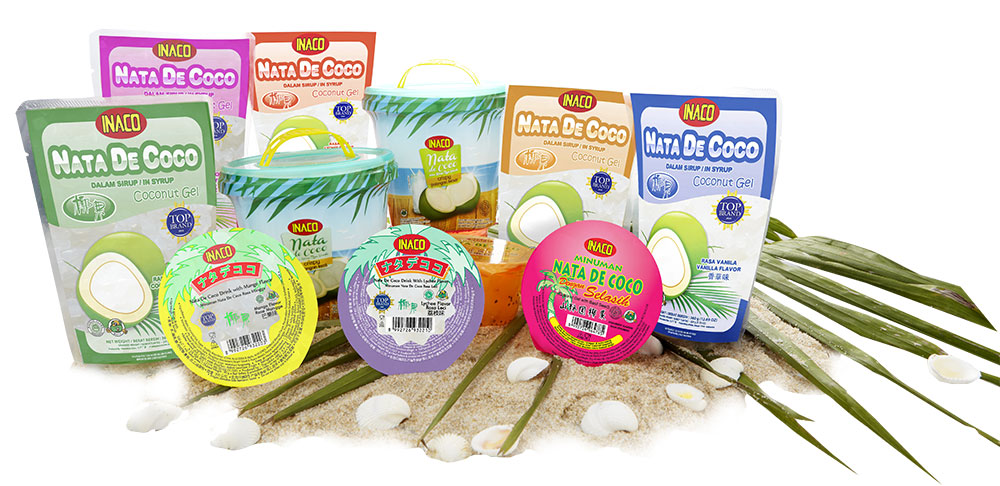
Shifting focus from the structural mechanics to the fundamental business and corporate analysis, PT Niramas Utama Tbk operates as a prominent, deeply entrenched legacy entity within the Indonesian fast-moving consumer goods (FMCG) sector. Originally established in 1990, the company has spent over three and a half decades meticulously cultivating its flagship brand, INACO. Through sustained marketing and product quality, it has successfully established a dominant, market-leading position as a pioneer in healthy, coconut-based, and natural fiber desserts.
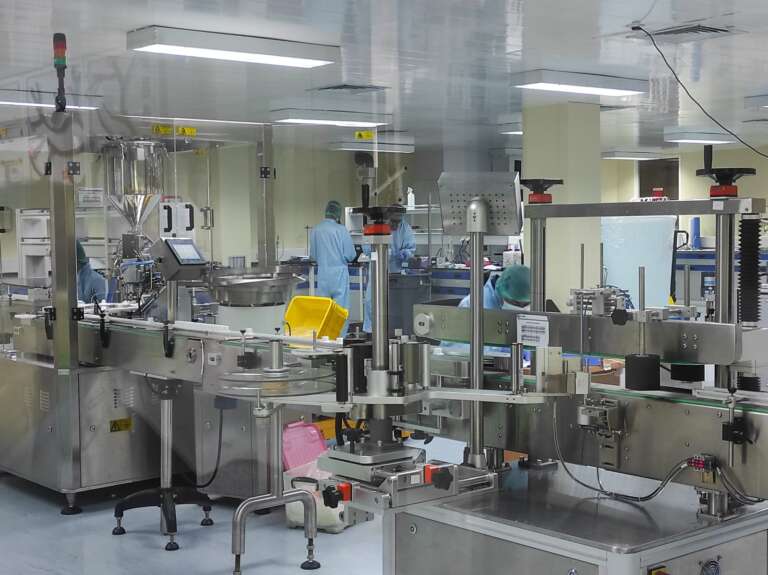
The overarching business model is firmly rooted in the comprehensive manufacturing, packaging, and expansive distribution of a vast array of food and beverage products. The product portfolio is highly diversified, spanning multiple categories such as nata de coco in various flavor profiles, miniature jellies, aloe vera derivatives, ready-to-eat puddings, complex confectionery items, and ready-to-drink functional beverages. The operational footprint of the enterprise is incredibly substantial, supported by four strategically located, large-scale manufacturing facilities situated in Bekasi (which doubles as the corporate headquarters), Pandaan, Pontianak, and Sukabumi. These distributed facilities provide the company with an estimated aggregate production capacity of 3.5 billion units annually, highlighting a formidable scale of industrial operations that creates massive, almost insurmountable barriers to entry for prospective new competitors.
The revenue streams are highly diversified across an expansive portfolio exceeding 150 distinct stock-keeping units (SKUs). The company’s customer profile is deeply bifurcated, serving massive business-to-business (B2B) distributors that manage vast modern trade (supermarkets and hypermarkets) and general trade (traditional markets) networks, while ultimately targeting business-to-consumer (B2C) end-users encompassing children, adolescents, and health-conscious adults. The distribution network serves as a critical competitive moat, comprising 251 dedicated distribution nodes that ensure deep, pervasive penetration across the highly fragmented Indonesian archipelago. This domestic stronghold is complemented by an accelerating export footprint reaching over 30 international markets, including highly regulated regions such as Japan, the Middle East, North America, and Australia.
The cost drivers and concentration risks inherent in this manufacturing-heavy business model require careful, rigorous scrutiny. The primary inputs for production include raw agricultural commodities, predominantly refined sugar, seaweed extracts (carrageenan), and coconut water. Consequently, the company’s cost of goods sold (COGS) is acutely sensitive to global commodity price fluctuations, adverse macroeconomic weather conditions affecting crop yields, and abrupt shifts in government agricultural and import policies. The reliance on sugar imports, which are historically subject to stringent regulatory quotas, complex licensing regimes, and geopolitical friction in Indonesia, constitutes a material, persistent operational bottleneck. Any unexpected disruption in the supply chain or a sustained inflationary spike in global sugar prices severely threatens to compress gross margins, particularly if the company lacks the immediate pricing power elasticity to pass these escalated costs onto highly price-sensitive end consumers.
However, the company’s strategic positioning actively seeks to mitigate this structural vulnerability by pivoting aggressively toward value-added, clean-label, and low-sugar functional snacks that inherently command premium pricing elasticity and higher baseline margins. The scalability of the business is vividly evident in its aggressive export ambitions and its deliberate transition toward automated manufacturing, as signaled by the planned deployment of the IPO proceeds into advanced European robotics and processing machinery. Nevertheless, structural constraints persist, particularly regarding the highly complex, capital-intensive logistics required to distribute temperature-sensitive or bulky liquid products across thousands of islands, which continuously strains supply chain efficiencies and demands constant capital reinvestment.
Macroeconomic Environment and Industry Topography
The macroeconomic and industry context provides a vital, illuminating backdrop against which the company’s fundamental trajectory and future growth assumptions must be evaluated. Indonesia presents one of the most compelling consumer demographics globally, boasting a population exceeding 286 million individuals. This massive consumer base is characterized by a burgeoning, increasingly affluent middle class and rapid, sustained urbanization. The food and beverage sector remains an absolute bedrock of the national economy, demonstrating profound, historical resilience against broader macroeconomic volatility and global recessions. According to government data highlighted in the prospectus, the industry contributes over 7.13% to the national Gross Domestic Product (GDP) and exhibits sustained year-over-year industrial growth exceeding 6.38%.
This potent macroeconomic tailwind is further amplified by rapidly shifting consumer paradigms. There is a pronounced, globally aligned megatrend driven predominantly by Millennial and Generation Z cohorts who are aggressively prioritizing wellness, clean-label ingredients, and functional nutrition over traditional, high-sugar convenience foods. The company’s strategic, calculated pivot to emphasize healthy desserts, utilizing natural, low-calorie fibers like aloe vera and konjac, positions it precisely at the epicenter of this structural shift in global consumer behavior. By aligning its product pipeline with wellness trends, the company avoids the stagnant growth plaguing legacy sugary snack manufacturers. However, this highly favorable macro environment is fiercely counterbalanced by persistent domestic inflationary pressures that intermittently erode lower-income purchasing power, alongside intense, brutal competitive rivalry from massive domestic conglomerates and highly agile multinational entrants vying for limited shelf space in an increasingly consolidated modern retail landscape.
IHSG Market Context
Line chart of Jakarta Composite Index (IHSG) with timeframe 1 Year.
Fiscal Architecture and Earnings Quality Analysis
The financial analysis, derived strictly from the audited historical data spanning the fiscal years 2023 to 2025, reveals a highly complex, nuanced narrative defined by deliberate, engineered revenue contraction designed to achieve aggressive margin expansion. A superficial glance at the top-line performance might immediately suggest fundamental deterioration.
| Financial Metric (Audited) | FY 2023 | FY 2024 | FY 2025 | YoY Growth (’24-’25) |
|---|---|---|---|---|
| Net Sales (Rp Billion) | 838.94 | 788.43 | 753.05 | -4.49% |
| Cost of Goods Sold (Rp Billion) | (592.68) | (528.82) | (462.27) | -12.58% |
| Gross Profit (Rp Billion) | 246.26 | 259.61 | 290.78 | +12.01% |
| Profit for the Year (Rp Billion) | 1.68 | 11.63 | 39.03 | +235.50% |
| Total Assets (Rp Billion) | 514.05 | 522.60 | 552.11 | +5.65% |
| Total Liabilities (Rp Billion) | 407.37 | 404.08 | 406.59 | +0.62% |
| Total Equity (Rp Billion) | 106.68 | 118.52 | 145.52 | +22.78% |
Consolidated revenue systematically fell from Rp838.94 billion in 2023 to Rp788.43 billion in 2024, representing a 6.02% contraction, and further declined by 4.49% to Rp753.05 billion in 2025. In the context of a company actively seeking growth capital from the public markets, a multi-year negative revenue compound annual growth rate is traditionally perceived as a severe red flag by institutional investors. However, management forcefully articulates that this top-line attrition is absolutely not a symptom of market share loss or brand fatigue, but rather the intended result of a highly calculated strategic rationalization. The company deliberately ceased the production and wholesale distribution of low-margin, high-volume “locomotive” products—SKUs that were historically utilized merely as loss-leaders to secure retail shelf space—pivoting entirely toward higher-margin, value-added products.
The profound, mathematical success of this rationalization strategy is explicitly visible in the cost structure and margin profile. As revenue fell by approximately 10% over the three-year period, the cost of goods sold plummeted far more precipitously, dropping from Rp592.68 billion in 2023 down to Rp462.27 billion in 2025. This asymmetrical decline in costs catalyzed a spectacular expansion in gross profitability. Gross profit surged from Rp246.26 billion in 2023 to Rp290.78 billion in 2025, driving the gross margin from a baseline of 29.3% up to a highly robust 38.6%. This operational leverage cascaded violently down the income statement. Aided by stringent controls over general and administrative expenses and a material reduction in finance costs through renegotiated debt facilities, net income exploded. Profit for the year escalated from a marginal Rp1.68 billion in 2023 to Rp11.63 billion in 2024, before surging an astonishing 235.50% to Rp39.03 billion in 2025. Consequently, the net profit margin expanded from an anemic 0.20% to a highly respectable 5.18%. Return on equity followed suit, climbing dramatically from 1.57% to an impressive 26.82% in 2025.
While the earnings quality appears significantly improved due to structurally enhanced gross margins rather than one-off accounting gimmicks, a critical fundamental analyst must remain highly vigilant regarding the potential for cosmetic financial presentation. The timing of this explosive profitability, culminating exactly in the fiscal year immediately preceding the initial public offering, bears the classic, unmistakable hallmarks of pre-IPO window dressing. The aggressive culling of unprofitable product lines effectively maximizes the trailing twelve-month net income, establishing an artificially high baseline upon which the IPO valuation multiples are constructed. The paramount risk for post-IPO financial durability is whether this margin expansion has definitively peaked. If the company has exhausted its cost-cutting and portfolio optimization levers, future earnings growth must be driven by organic revenue expansion—a metric that has been explicitly and uncomfortably negative for two consecutive fiscal years.
The balance sheet reflects a highly leveraged enterprise in urgent, critical need of the equity injection this IPO will provide. Total assets stood at Rp552.11 billion at the end of 2025, while total liabilities loomed exceptionally large at Rp406.59 billion, resulting in a thin total equity base of just Rp145.52 billion. This capital structure yields a highly demanding, restrictive debt-to-equity ratio of 2.79x. While the current ratio demonstrates adequate short-term liquidity at 1.14x, and the interest coverage ratio has improved dramatically to 4.30x due to the recent profitability surge, the absolute debt burden remains a severe structural vulnerability. The allocation of IPO proceeds to retire portions of the bank debt is therefore not merely a strategic choice, but a fundamental necessity to de-risk the balance sheet and avoid covenant breaches in a potential downturn. Cash flow generation adds another layer of concerning nuance. Operating cash flow, which stood at a robust Rp123.54 billion in 2024, collapsed violently by 83.39% to just Rp20.52 billion in 2025. This stark contraction was driven by adverse working capital movements, specifically lower cash receipts from customers and higher tax disbursements, sharply highlighting the cash-intensive nature of funding trade receivables and inventory within the modern FMCG supply chain.
Valuation Scenarios and Comparative Pricing
The valuation analysis, evaluated strictly across the minimum, mid-point, and maximum price scenarios established by the underwriters, underscores the aggressive, demanding pricing paradigm sought by the sponsors.
| Valuation Metric | Minimum Scenario (Rp900) | Mid-Point Scenario (Rp1,010) | Maximum Scenario (Rp1,120) |
|---|---|---|---|
| Outstanding Shares Post-IPO | 1,350,000,000 | 1,350,000,000 | 1,350,000,000 |
| Market Capitalization (Rp Billion) | 1,215.00 | 1,363.50 | 1,512.00 |
| Net Income 2025 (Rp Billion) | 39.03 | 39.03 | 39.03 |
| Earnings Per Share (Rp) | 28.91 | 28.91 | 28.91 |
| Price-to-Earnings Ratio (PER) | 31.1x | 34.9x | 38.8x |
| Estimated Post-IPO Equity (Rp Billion) | 460.52 | 475.37 | 537.52 |
| Book Value Per Share (Rp) | 341.12 | 352.12 | 398.16 |
| Price-to-Book Value (PBV) | 2.6x | 2.8x | 2.8x |
Utilizing the audited 2025 net income of Rp39.03 billion and the post-IPO outstanding share count of 1.35 billion, the baseline Earnings Per Share (EPS) equates to approximately Rp28.91. At the absolute minimum offering price of Rp900, the company is valued at a Price-to-Earnings Ratio (PER) of 31.1x. At the mid-point of Rp1,010, the multiple stretches to a lofty 34.9x. At the maximum boundary of Rp1,120, the valuation demands a staggering PER of 38.8x. To calculate the Price-to-Book Value (PBV), the gross proceeds (ranging from Rp315 billion to Rp392 billion) are conceptually added to the 2025 base equity of Rp145.52 billion, yielding an estimated post-IPO equity range of Rp460.52 billion to Rp537.52 billion. This results in a PBV multiple hovering tightly between 2.6x and 2.8x depending on the final pricing tier.
When comparing these demanding valuation metrics to the broader landscape of publicly listed FMCG and food processing peers on the Indonesia Stock Exchange, the pricing appears highly aggressive. Established, dividend-paying industry titans with deep economic moats, consistent revenue growth, and fortress balance sheets typically trade within a comfortable PER band of 15x to 25x, with only the most dominant, monopolistic, high-growth entities occasionally commanding sustained premiums above 30x. For JELI to demand a PER approaching 40x at the upper bound requires incoming investors to implicitly underwrite the heroic assumption that the spectacular 235% earnings growth achieved in 2025 is not a one-off anomaly driven by portfolio culling, but rather the new permanent baseline from which compounding double-digit growth will launch. Given the negative revenue trajectory over the past two years and the heavy reliance on imported commodities susceptible to margin compression, the valuation leaves virtually zero margin of safety for execution missteps. The pricing is calibrated for absolute perfection, ruthlessly capturing all the theoretical future upside of the planned capacity expansion before the new European machinery has even been purchased.
Integrated Investment Perspectives
Synthesizing these disparate analytical threads requires balancing two distinct, often conflicting frameworks. From the vantage point of a fundamental, long-term investor, the business presents a frustrating paradox. The brand equity of INACO is undeniable, the physical manufacturing infrastructure is extensive and difficult to replicate, and the strategic pivot toward high-margin, health-conscious functional products demonstrates acute, highly competent managerial foresight. The recent explosion in profitability validates the painful decision to abandon low-margin volume chasing. However, the fundamental strength is severely compromised by a highly leveraged pre-IPO balance sheet, a multi-year trend of top-line revenue contraction, and a highly volatile, rapidly deteriorating operating cash flow profile in the most recent fiscal year.
More crucially, the extreme valuation at 31x to 38x trailing earnings aggressively front-loads the anticipated benefits of the IPO, forcing new investors to pay a massive premium for operational growth that has yet to materialize on the top line. The underlying business quality is solid, but the pre-packaged financial presentation and extreme valuation multiple suggest a degree of fundamental fragility that warrants intense caution.
Conversely, from a strictly structural, IPO-focused standpoint, the transaction mechanics are impeccably designed to minimize downward volatility and foster secondary market stability. The offering is a pure, unadulterated primary capital raise without a single secondary share diluting the narrative or draining liquidity from the company. The use of proceeds is flawlessly aligned with corporate finance best practices, directing fresh capital exactly where it is needed: toward high-return automated manufacturing, logistics efficiency, and necessary balance sheet deleveraging. The voluntary twelve-month lock-up on control by the ultimate sponsor provides a robust, highly visible defense against retail fears of insider abandonment. While the complete absence of our algorithmic JSON metrics fundamentally paralyzes the ability to quantify institutional demand, retail hype, or underwriter momentum, the structural purity of the deal itself partially insulates the offering from immediate supply-side shocks. This is demonstrably not a predatory sponsor exit; it is a genuine, structurally sound capitalization event, albeit one priced at the absolute zenith of theoretical valuation.
Final Verdict & Aluna Rating
In conclusion, the Initial Public Offering of PT Niramas Utama Tbk represents a highly conditional, nuanced investment case. It cannot be classified as a fundamentally supported value investment due to the excessively demanding valuation multiples that completely erode any semblance of a margin of safety. Nor is it a high-risk sponsor dump, given the remarkably clean primary structure, the absence of secondary selling, and the highly productive, aggressive capital expenditure plans outlined in the prospectus. Instead, it is a structurally immaculate but fundamentally expensive growth proposition.
The IPO appears to be a strategically timed event designed to capitalize on the recent, potentially transient, spike in net margins resulting from intense internal restructuring. The success of this investment relies entirely on management’s ability to flawlessly reverse the trend of revenue contraction by successfully deploying the newly acquired European manufacturing lines to capture global export and domestic demand for high-margin functional desserts. Because the valuation fully prices in this future success today, the risk-reward symmetry is fundamentally skewed against the buyer at the upper end of the price band. Given the combination of a stellar transaction structure and a respected legacy brand, counterbalanced by a deteriorating top line masked by margin engineering, an exhaustive valuation premium, and the total lack of empirical quantitative demand signals to validate market appetite, the offering demands a highly defensive posture.
aluna Analytics Rating: Neutral / Conditional Participate
Restricted strictly to the lower boundary of the price band, acknowledging the exceptionally high structural integrity of the primary issuance, but heavily penalized by severe valuation friction, negative revenue growth, and entirely missing quantitative demand validation.
Disclaimer
aluna Analytics is an independent research collective that operates without affiliation to any financial institution, broker, or advisory firm. We do not hold licenses as a securities dealer, investment advisor, or portfolio manager.
All materials published by aluna Analytics are created solely for informational and educational purposes. They reflect independent analytical interpretation and should not be regarded as personalized investment advice, solicitation, or endorsement of any security or strategy.
Market data, opinions, and projections presented herein are subject to change and may not predict future results. Readers remain fully responsible for any financial decisions made based on the information provided. We strongly encourage conducting personal due diligence and consulting a licensed professional before making investment commitments.
aluna Analytics is not regulated by the Financial Services Authority of Indonesia (OJK) and does not offer investment management or brokerage services. All content is presented in good faith, aiming to foster research literacy and informed market perspectives.