
Author: aluna Analytics | Date: 21 May 2026 | Category: Market Intelligence
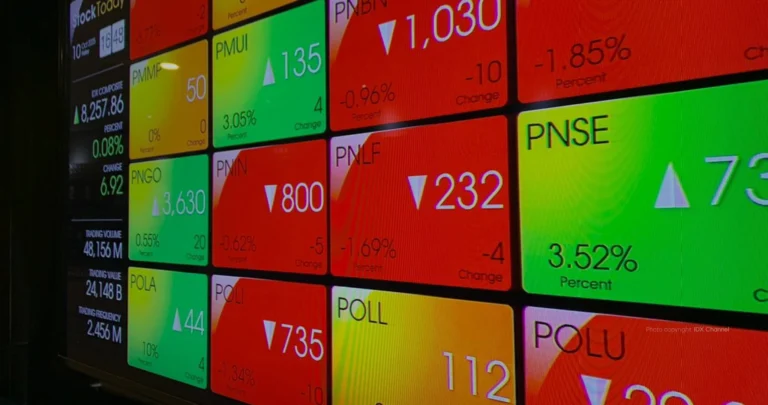
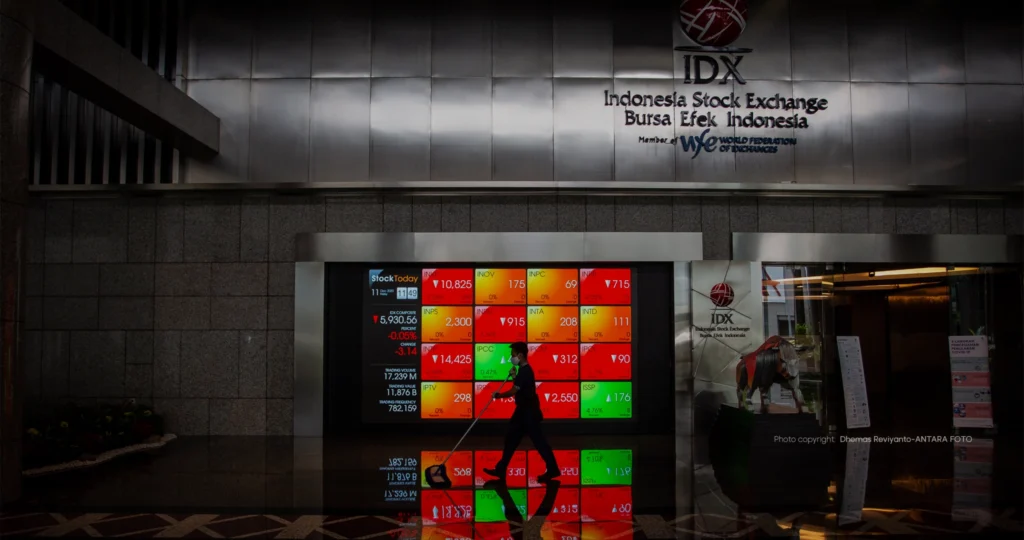
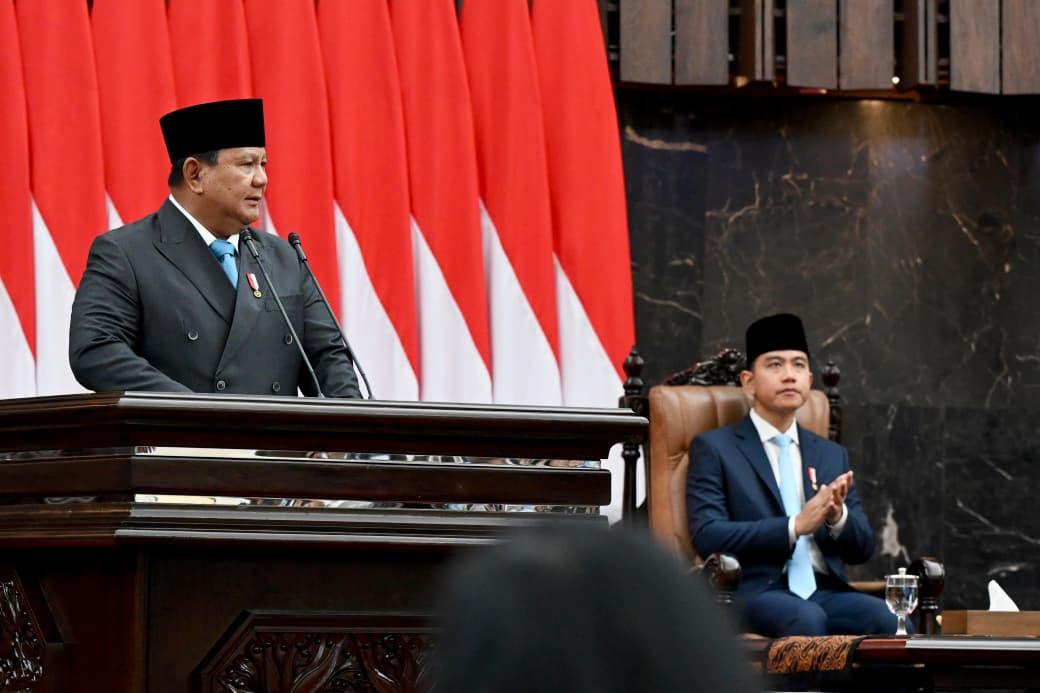
The plenary session of the House of Representatives (DPR) convened on May 20, 2026, marks a profound structural inflection point in the fiscal, monetary, and institutional governance of the Republic of Indonesia. Historically, the presentation of the Macroeconomic Framework and Principles of Fiscal Policy (Kerangka Ekonomi Makro dan Pokok-Pokok Kebijakan Fiskal, or KEM-PPKF)—the foundational blueprint for the drafting of the upcoming year’s State Budget (RAPBN)—has been strictly delegated to the Minister of Finance. However, the unprecedented decision by President Prabowo Subianto to personally deliver the KEM-PPKF for the 2027 fiscal year signals a monumental departure from established executive tradition. This strategic communicative shift, deliberately executed to coincide with the symbolic momentum of National Awakening Day, was staged against a backdrop of severe international geopolitical fragmentation, geo-economic volatility, and acute domestic market pressures. By addressing the legislature directly in a session attended by 451 members of parliament, the executive branch sought to project absolute authority and policy cohesion, attempting to anchor deteriorating market expectations and mitigate systemic anxieties regarding the nation’s fiscal sustainability. The global macroeconomic environment contextualizing this historic address is characterized by persistent, compounding crises. Extended geopolitical hostilities, particularly the protracted conflicts in the Middle East and Eastern Europe, have severely disrupted global supply chains, catalyzed extreme energy price volatility, and precipitated aggressive capital flights from emerging market assets into safe-haven instruments. Domestically, these external shocks have manifested in severe currency depreciation, with the Indonesian Rupiah breaching historic lows to trade above the Rp17,700 threshold against the United States Dollar during the spot market sessions of mid-May 2026. This depreciation was accompanied by substantial equity market sell-offs and a broader contraction in foreign institutional confidence. By delivering the macroeconomic address directly, the President sought to dispel speculative narratives surrounding institutional discord and to reaffirm the government’s unwavering commitment to constitutional economic mandates. Furthermore, the address functioned as a comprehensive articulation of a newly codified economic doctrine, blending aggressive state-led institutional consolidation with highly ambitious macroeconomic targets. This intervention underscores a high-level recognition that managing the current nexus of currency vulnerability, capital outflows, and structural trade deficits requires an integrated, whole-of-government approach rather than compartmentalized, reactive fiscal and monetary responses. The psychological impact of this direct address was explicitly engineered to provide forward-guidance to foreign institutional investors and domestic conglomerates alike, establishing a credible sovereign narrative that transcends the traditional boundaries of central bank communications or finance ministry press releases.
Unlock Full Access
This in-depth analysis is exclusive to aluna Prime members.
Unlock detailed insights starting from just Rp 15.000.
Already a Prime member? Log in to restore access
Disclaimer
aluna Analytics is an independent research collective that operates without affiliation to any financial institution, broker, or advisory firm. We do not hold licenses as a securities dealer, investment advisor, or portfolio manager.
All materials published by aluna Analytics are created solely for informational and educational purposes. They reflect independent analytical interpretation and should not be regarded as personalized investment advice, solicitation, or endorsement of any security or strategy.
Market data, opinions, and projections presented herein are subject to change and may not predict future results. Readers remain fully responsible for any financial decisions made based on the information provided. We strongly encourage conducting personal due diligence and consulting a licensed professional before making investment commitments.
aluna Analytics is not regulated by the Financial Services Authority of Indonesia (OJK) and does not offer investment management or brokerage services. All content is presented in good faith, aiming to foster research literacy and informed market perspectives.