

Author: aluna Analytics | Date: 5 July 2025 | Sector: Healthcare / Healthcare Equipment & Providers | Recommendation: Neutral / High Risk
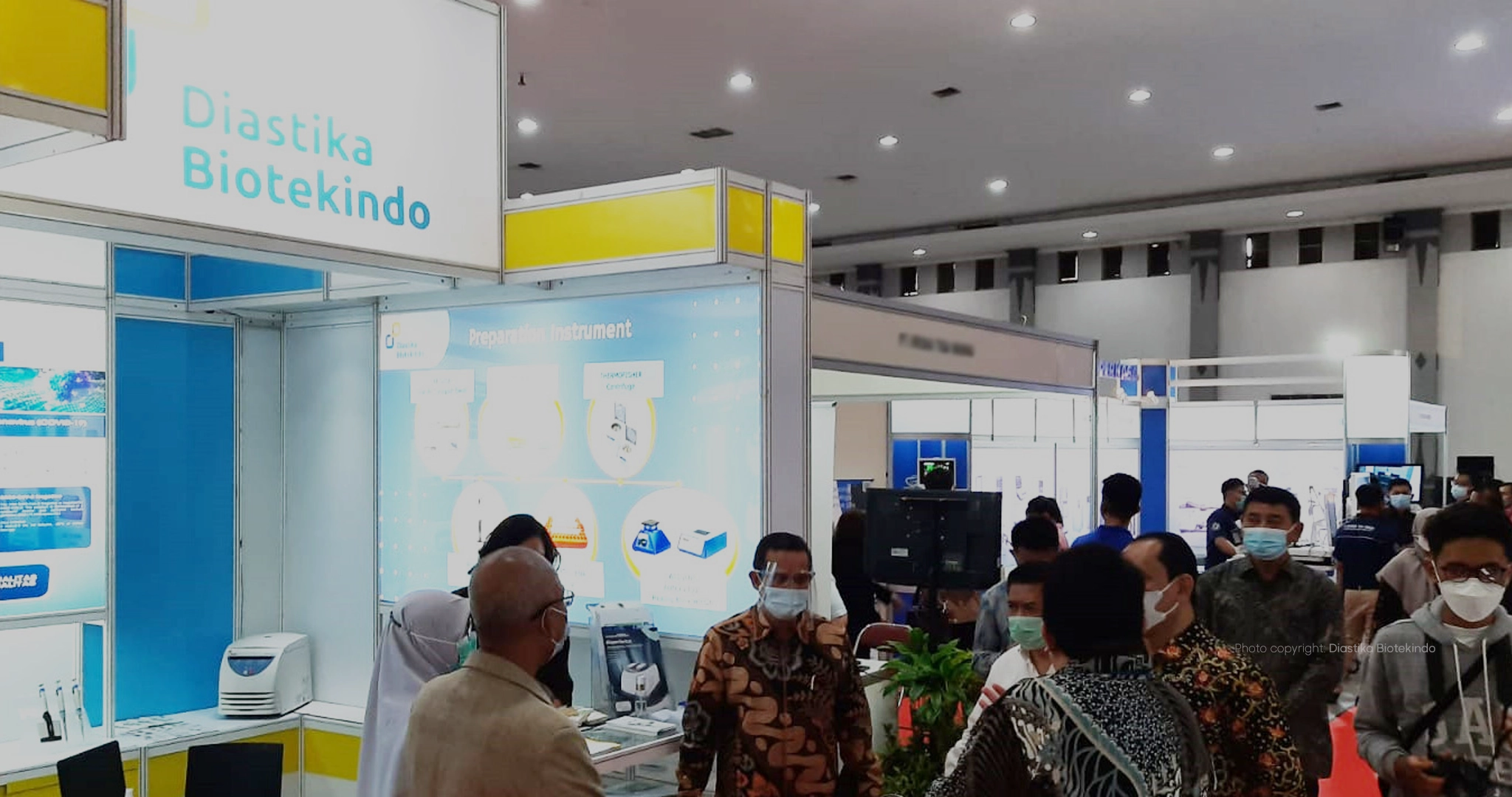
The listing of PT Diastika Biotekindo Tbk ($CHEK) on the Indonesia Stock Exchange (IDX) on July 10, 2025, marked a significant milestone in the continued financialization of Indonesia’s healthcare supply chain. Raising IDR 104.32 billion through the issuance of 815 million new shares at IDR 128 per share, CHEK entered the public markets during a period of robust sectoral rotation and heightened investor interest in mid-cap healthcare plays. As a specialized distributor of high-precision diagnostic equipment and reagents, the company positions itself as a critical intermediary between global medical technology principals—such as Bio-Rad and Thermo Fisher Scientific—and Indonesia’s rapidly expanding hospital infrastructure.
This analysis provides a comprehensive, forensic examination of CHEK’s investment case five months post-listing. Writing from the vantage point of December 2025, aluna Analytics analyzes the company not merely as a standalone entity but as a component of the broader Optel Investama Mulia ecosystem, which also encompasses its publicly listed affiliate, PT UBC Medical Indonesia Tbk ($LABS). The “sister company” dynamic between CHEK and LABS creates a unique valuation framework, necessitating a scrutiny of transfer pricing, shared resources, and management overlap that goes beyond standard single-entity analysis.
Our analysis indicates that CHEK’s fundamental value proposition is anchored in the “razor-and-blade” economics of its Clinical Diagnostics division. By installing proprietary instrumentation (the “razor”) in hospitals and laboratories, CHEK secures a captive stream of high-margin recurring revenue from reagent sales (the “blades”). This model has driven a 19.9% year-on-year revenue expansion in FY2024 to IDR 154.79 billion, outpacing the broader healthcare distribution industry’s growth rate. However, this growth comes at the cost of intense working capital requirements. The company allocated 100% of its IPO proceeds to working capital, a decision vindicated by a 56.4% surge in inventory levels in FY2024 as it pre-positioned for Ministry of Health tenders like the SIHREN and SOPHI projects.
CHEK
PT Diastika Biotekindo TbkDisclaimer: This research report is produced by aluna Analytics for informational and educational purposes only. It does not constitute a recommendation to buy or sell any securities. Market data is analyzed as of 5 July 2025. Investors should conduct their own due diligence and consult with a certified financial advisor before making investment decisions.
From a valuation perspective, CHEK listed at a premium multiple relative to established peers like Itama Ranoraya ($IRRA), trading at a Price-to-Earnings (P/E) ratio exceeding 30x at debut levels. This premium pricing reflects the market’s pricing of “scarcity value” in the small-cap healthcare space and speculative enthusiasm surrounding the Lotus Andalan Sekuritas (YJ) underwriting syndicate, known for engineering high-volatility post-IPO trajectories.
The macroeconomic backdrop of late 2025 further complicates the thesis. With the Jakarta Composite Index (JCI) hitting all-time highs in December 2025 and Bank Indonesia signaling a pivot in interest rate policy, the cost of capital for working-capital-intensive firms like CHEK is set to decline. However, the looming enforcement of TKDN (Domestic Component Level) regulations presents a structural risk to CHEK’s import-heavy business model, forcing a strategic pivot toward local assembly or manufacturing partnerships that has yet to fully materialize.
This report dissects these crosscurrents, offering institutional investors a granular view of CHEK’s operational moats, financial hygiene, and risk-adjusted valuation in the context of Indonesia’s healthcare transformation.
Macroeconomic and Regulatory Context
To evaluate CHEK’s prospects, one must first deconstruct the environment in which it operates. The Indonesian healthcare sector in 2025 is defined by two opposing forces: the expansionary pressure of demand driven by the Jaminan Kesehatan Nasional (JKN) and the restrictive pressure of protectionist industrial policy.
Market Context: IHSG Performance
Line chart of Jakarta Composite Index (IHSG) with timeframe 1 Year.
The Healthcare Demand Supercycle
Indonesia is in the midst of a healthcare supercycle. With a population projected to reach 324 million by 2045 and an expanding middle class, the demand for diagnostic services is undergoing structural elevation. The total market size for medical devices in Indonesia was valued at USD 61.71 billion in 2024 and is forecasted to grow at a Compound Annual Growth Rate (CAGR) of 7.97% through 2032.
This growth is not uniform. The fastest expansion is occurring in the diagnostics sub-segment, CHEK’s core competency. The prevalence of non-communicable diseases (diabetes, cardiovascular issues) has shifted the focus of national health spending from treatment to detection. CHEK, as a market leader in HbA1c (diabetes) monitoring through its Bio-Rad partnership, is a direct beneficiary of this epidemiological shift. The government’s allocation of IDR 218.5 trillion in the 2025 state budget for health—specifically targeting the upgrade of 10,234 Puskesmas (community health centers) and secondary hospitals—provides a tangible Total Addressable Market (TAM) for CHEK’s product suite.
The TKDN Regulatory “Iron Curtain”
While demand is robust, access to the government procurement market is increasingly gated by TKDN regulations. The Indonesian government has mandated that state-owned hospitals and public tenders prioritize products with high local content. Since the 2022 regulation tightened, the share of imported goods in the government e-Catalogue has dropped significantly.
For CHEK, whose business model has historically relied on importing finished goods from the USA (Bio-Rad) and Europe, this represents an existential strategic challenge.
The E-Catalogue Gate: Products listed in the LKPP E-Catalogue are preferred for public tenders. Imported products are often “frozen” or deprioritized if a local substitute with >40% TKDN exists.
CHEK’s Response: The company is actively pursuing “AKD” (Alat Kesehatan Dalam Negeri) certification for specific product lines, such as the DB-XACT HPV-DNA test kits. By rebranding or assembling these kits locally, CHEK aims to bypass the import restriction. This pivot is critical; failure to secure AKD status for key revenue drivers would effectively lock CHEK out of the lucrative BPJS-funded public hospital market, confining it to the smaller, albeit higher-margin, private hospital sector.
IPO Market Dynamics in 2025
CHEK listed in July 2025, a transitional period for the Indonesian capital market. The IPO market in late 2025 has been characterized by high liquidity but increased regulatory scrutiny.
The “Jumbo” vs. “Small Cap” Divergence: While mega-caps like Super Bank (SUPA) draw institutional attention, small-cap IPOs like CHEK have become the playground for retail momentum traders.
Regulatory Shift (SEOJK 25/2025): It is crucial to note that CHEK listed before the full implementation of SEOJK No. 25/2025 (effective Nov 17, 2025), which mandates a 1:1 pooling allotment for retail investors. CHEK likely operated under the older, less restrictive allotment rules, allowing underwriters more discretion in placing shares. This context explains the massive 39.71x oversubscription, as the “scarcity effect” was still manually engineerable by market makers, a dynamic that creates high volatility in the initial trading months.
Corporate Profile and The Optel Ecosystem
Ownership Structure and “Sister Company” Risks
PT Diastika Biotekindo Tbk is not a standalone startup but a legacy player with deep roots in the industry, founded in 1989. However, its current corporate form is defined by its membership in the Optel Investama Mulia group.
The controlling shareholder, PT Optel Investama Mulia, holds 61.2% of CHEK post-IPO. Crucially, Optel also controls PT UBC Medical Indonesia Tbk (LABS), owning ~72% of that entity.
This structure creates a “conglomerate” operational web:
- Management Overlap: Key personnel occupy dual roles. Franciscus Xaverius Yoshua Raintjung serves as President Director for both CHEK and LABS. Marcella Angelin is a Director at CHEK while simultaneously serving as Finance Director at LABS.
- Shared Resources: The companies share warehousing facilities and logistics networks. While this theoretically reduces overhead via economies of scale, it raises governance concerns regarding transfer pricing and cost allocation. For instance, are logistics costs allocated fairly based on volume, or is one entity subsidizing the other to manage earnings?
- Financial Interdependency: The prospectus notes “saling memiliki piutang dan utang usaha” (mutual receivables and payables) between the entities. Investors must monitor the “Related Party Transactions” note in quarterly reports vigilantly to ensure cash isn’t being siphoned or “parked” between the two listed entities to smooth earnings volatility.
Business Lines and Principal Dependencies
CHEK operates as a value-added distributor, meaning it provides installation, training, and maintenance, not just logistics. Its revenue streams are bifurcated into two main divisions:
A. Clinical Diagnostics (The Cash Cow)
This division focuses on disease detection hardware and consumables. Diabetes Monitoring: Through Bio-Rad, CHEK distributes the “Gold Standard” HbA1c testing platforms used in major reference labs like Prodia and Pramita. The high prevalence of diabetes in Indonesia ensures a steady, recession-proof demand for the reagents required by these machines. Infectious Diseases: The company supplies reagents for HIV and Hepatitis screening, critical for blood bank safety.
B. Life Sciences (The Growth Engine)
This segment serves the research and academic market. Genomics: Partnerships with MGI and Thermo Fisher allow CHEK to supply Next-Generation Sequencing (NGS) equipment. As the Indonesian government invests in the “Biomedical & Genome Science Initiative” (BGSi), this segment offers higher growth potential than routine diagnostics, albeit with lumpy, capex-dependent revenue recognition.
The Principal Moat
CHEK’s primary asset is its intangible network of distribution rights.
- Bio-Rad (USA): Partner since 1990. Losing this contract would be a terminal event for the company’s current valuation.
- Thermo Fisher (USA): Partner since 2004.
- Risk of Disintermediation: A constant risk for distributors is the principal deciding to go direct (establishing their own PT in Indonesia). However, Indonesia’s complex geography and bureaucracy often deter principals from doing this for mid-tier markets. CHEK’s 30-year tenure with Bio-Rad suggests a deep integration that is difficult to displace.
The IPO Transaction Analysis
The July 2025 IPO was a strategic capitalization event designed to fund inventory expansion rather than facilitate an exit.
Deal Mechanics
| Metric | Details |
|---|---|
| Price | IDR 128 per share |
| Shares Offered | 815 Million New Shares |
| Valuation at Offer | IDR 526.5 Billion (Market Cap) |
| Valuation Multiple | ~34.7x P/E (Trailing, at IPO) |
| Underwriter | Lotus Andalan Sekuritas (YJ) |
Underwriter Analysis
PT Lotus Andalan Sekuritas (YJ) is a niche underwriter often associated with high-beta small-cap listings. Their involvement signals that this was a retail-heavy distribution rather than a blue-chip institutional placement. Historical data on YJ-led IPOs (e.g., PEVE, FWCT) shows a pattern of “Auto Rejection Atas” (limit up) in the first days of trading, followed by significant volatility.
Use of Proceeds: The Inventory Wager
The prospectus explicitly allocates 100% of the net proceeds (~IDR 100 billion) to Working Capital.
Aluna Analytics Insight: Management claims this is to fund inventory for the SIHREN (Strengthening Indonesia’s Healthcare Referral Network) and SOPHI projects. These are massive, multi-year government initiatives funded by international development loans (World Bank, ADB) to equip hospitals.
The Implication: Participating in these tenders requires distributors to have stock on hand or secured credit lines with principals. The IPO proceeds effectively replace expensive bank debt with permanent equity capital to fund this inventory build. If CHEK wins these tenders, the 100% allocation to working capital will translate directly into a revenue spike in 2026. If they fail, they risk holding obsolete inventory (reagents have expiration dates).
Financial Analysis (2022-2024)
An analysis of the audited financial statements provided in the prospectus reveals a company in growth mode but with deteriorating efficiency ratios typical of rapid expansion.
Income Statement Forensics
| Metric | FY 2022 (Audited) | FY 2023 (Audited) | FY 2024 (Audited) | YoY Growth (23-24) |
|---|---|---|---|---|
| Revenue | IDR 117.47 B | IDR 129.10 B | IDR 154.79 B | +19.9% |
| COGS | (IDR 69.28 B) | (IDR 79.51 B) | (IDR 94.07 B) | +18.3% |
| Gross Profit | IDR 48.19 B | IDR 49.59 B | IDR 60.72 B | +22.4% |
| Gross Margin | 41.0% | 38.4% | 39.2% | +80 bps |
| Operating Profit | IDR 19.77 B | IDR 15.28 B | IDR 21.49 B | +40.6% |
| Net Income | IDR 13.04 B | IDR 13.59 B | IDR 15.17 B | +11.6% |
| Net Margin | 11.1% | 10.5% | 9.8% | -70 bps |
Revenue Acceleration: Growth doubled from ~10% in 2023 to ~20% in 2024. This validates the thesis that hospital spending has recovered post-pandemic and that CHEK is gaining traction.
Margin Expansion vs. Opex: Gross margins expanded, indicating strong pricing power or a favorable product mix shift (more reagents, fewer low-margin consumables). However, Net Margin compressed to 9.8%. This divergence is due to rising Operating Expenses (OpEx), likely sales commissions and logistics costs associated with the aggressive revenue push.
Balance Sheet Analysis
| Metric | Dec 31, 2023 | Dec 31, 2024 | Change |
|---|---|---|---|
| Total Assets | IDR 97.49 B | IDR 118.81 B | +21.9% |
| Current Assets | IDR 73.77 B | IDR 87.84 B | +19.1% |
| Cash | IDR 20.08 B | IDR 17.82 B | -11.2% |
| Inventory | IDR 32.48 B | IDR 50.80 B | +56.4% |
| Total Liabilities | IDR 18.64 B | IDR 25.57 B | +37.2% |
| Total Equity | IDR 78.86 B | IDR 93.24 B | +18.2% |
Critical Warning: The Inventory Build-Up
The most glaring data point is the 56.4% increase in inventory (to IDR 50.8 billion) while revenue only grew 19.9%. Implication: Days Sales of Inventory (DSI) has likely spiked. Calculation: DSI = (Average Inventory / COGS) * 365. 2024 DSI: ((32.48+50.8)/2 / 94.07) * 365 ≈ 161 days. This is a very long inventory cycle. It confirms that CHEK is holding stock for roughly 5-6 months. Interpretation: In the context of the “Use of Proceeds,” this supports the narrative that they are pre-stocking for major government projects (SIHREN). However, if these projects are delayed, CHEK faces a cash flow crunch and potential inventory write-offs (reagents expire). The drop in Cash (-11.2%) confirms that internal cash flow was consumed to fund this inventory.
Ratio Analysis:
- Current Ratio: 87.84 / 25.33 = 3.46x. Liquidity is extremely high. The company is in no danger of insolvency.
- Debt-to-Equity (DER): 25.57 / 93.24 = 0.27x. The company is virtually unleveraged. This is a “clean” balance sheet that appeals to conservative investors and leaves room for future debt financing if the IPO funds run out.
- Return on Equity (ROE): 15.17 / 93.24 = 16.3%. This is a healthy ROE, superior to many infrastructure-heavy sectors, demonstrating the efficiency of the distribution model (low capex).
Competitive Landscape and Peer Valuation
To determine if CHEK is priced fairly, we must compare it to its peers in the Indonesian healthcare distribution and support services sector. The peers include PT Itama Ranoraya Tbk ($IRRA), PT UBC Medical Indonesia Tbk ($LABS), PT Diagnos Laboratorium Utama Tbk ($DGNS), and PT Penta Valent Tbk ($PEVE).
Peer Performance Comparison
Comparison chart of CHEK, IRRA, LABS, DGNS with timeframe 6 Months.
Valuation Matrix (Dec 2025 Estimates)
| Metric | CHEK (IPO Price) | IRRA | LABS | DGNS | PEVE |
|---|---|---|---|---|---|
| Price | IDR 128 | IDR 440 | IDR 142 | IDR 178 | IDR 520 |
| Market Cap | IDR 526 B | IDR 697 B | IDR 553 B | IDR 223 B | IDR 918 B |
| P/E Ratio (TTM) | ~34.7x | ~11.0x | ~59.4x | N/A (Loss) | ~15.3x |
| PBV Ratio | ~3.5x | ~1.3x | ~3.7x | ~1.1x | ~2.8x |
| Revenue Growth | +19.9% | +4.8% | +34.4% | -1.5% | +26.5% |
| Gross Margin | 39.2% | 19.6% | 38.5% | 45.2% | ~12% |
The “Optel Premium”: Both CHEK and LABS trade at massive premiums (P/E > 30x) compared to the industry stalwart IRRA (11x). This suggests the market is pricing in a specific growth narrative for the Optel group, likely related to their agility in securing new genomic/molecular tenders that older players like IRRA might miss.
Margin Superiority: CHEK’s Gross Margin (39.2%) is significantly higher than IRRA (19.6%) and PEVE (12%). This confirms CHEK deals in specialized, niche high-tech equipment (Bio-Rad) rather than commoditized consumables (syringes, gloves) which IRRA and PEVE often handle. This justifies some valuation premium, as high margins offer better buffer against inflation.
Valuation Risk: Trading at 3.5x Book Value and 34x Earnings, CHEK is priced for perfection. Any earnings miss or tender delay will likely cause a sharp multiple contraction toward the IRRA level (11x), implying a potential 60% downside risk if growth stalls.
Investment Risks and Mitigation
- Contract Renewal Risk (High): The exclusive distributorship with Bio-Rad is the company’s lifeblood. While the relationship is 35 years strong, standard contracts typically have 1-3 year renewal cycles. Mitigation: CHEK has diversified into Life Sciences (Thermo, MGI) to reduce reliance on a single principal.
- Regulatory/TKDN Risk (Medium-High): The government’s push for 40%+ local content is a structural headwind for importers. Mitigation: The pursuit of AKD certification for HPV-DNA kits is a positive step. Investors must monitor the % of revenue derived from AKD-certified products in future earnings calls.
- Related Party Transactions (Medium): The overlap with LABS creates potential conflicts of interest. Observation: There is a risk that profitable contracts could be shifted between CHEK and LABS depending on which entity needs to show growth to support share price. The shared management structure makes this easier to execute but harder for minority shareholders to detect.
- Liquidity and Volatility (High): As a small-cap stock (~IDR 500B market cap) with 20% free float and a history of YJ underwriting, CHEK is prone to extreme volatility. It is not suitable for passive income investors.
Aluna Analytics Recommendation
The “Aluna Scorecard”
| Factor | Grade | Rationale |
|---|---|---|
| Business Quality | A- | High recurring revenue, strong moat (Bio-Rad). |
| Financial Health | A | Net cash position, low debt (0.27x DER). |
| Growth Prospects | B+ | Dependent on government tenders (SIHREN/SOPHI). |
| Valuation | D | Extremely expensive (~34x P/E vs Peers). |
| Overall Rating | Neutral / High Risk | Speculative Growth Play. |
Conclusion: The “Show Me” Story
PT Diastika Biotekindo Tbk (CHEK) represents a classic high-risk, high-reward play in Indonesia’s developing healthcare sector. It possesses robust fundamentals: a clean balance sheet, high margins, and a sticky “razor-and-blade” business model anchored by global leaders like Bio-Rad.
However, the valuation is disconnected from current reality. Listing at ~35x P/E when established, larger competitors trade at 11x requires a heroic growth assumption—specifically, that the inventory build-up seen in 2024 will flawlessly convert into massive government tender wins in 2025/2026 without margin compression.
The discrepancy between the company’s solid but linear growth (20%) and its exponential valuation multiple suggests that the current price is sustained by the “sister company” narrative (LABS correlation) and IPO scarcity mechanics rather than intrinsic earnings power.
Aggressive Traders
The stock may offer short-term opportunities due to its low float and affiliation with the volatile LABS ticker. Technical setups correlated with LABS movements may be profitable.
Institutional/Long-Term Investors
Avoid at current levels. The risk-reward is unfavorable. A re-rating towards the industry average (15x-20x P/E, implying a price range of IDR 60-80) is a significant probability once the IPO lock-up periods expire and the initial euphoria fades. Monitor the success of the SIHREN/SOPHI tender execution; if CHEK announces definitive wins here, a valuation upgrade could then be justified.
Beware for the pop; Verify for the hold.
Disclaimer
aluna Analytics is an independent research collective that operates without affiliation to any financial institution, broker, or advisory firm. We do not hold licenses as a securities dealer, investment advisor, or portfolio manager.
All materials published by aluna Analytics are created solely for informational and educational purposes. They reflect independent analytical interpretation and should not be regarded as personalized investment advice, solicitation, or endorsement of any security or strategy.
Market data, opinions, and projections presented herein are subject to change and may not predict future results. Readers remain fully responsible for any financial decisions made based on the information provided. We strongly encourage conducting personal due diligence and consulting a licensed professional before making investment commitments.
aluna Analytics is not regulated by the Financial Services Authority of Indonesia (OJK) and does not offer investment management or brokerage services. All content is presented in good faith, aiming to foster research literacy and informed market perspectives.